
March 11, 2026
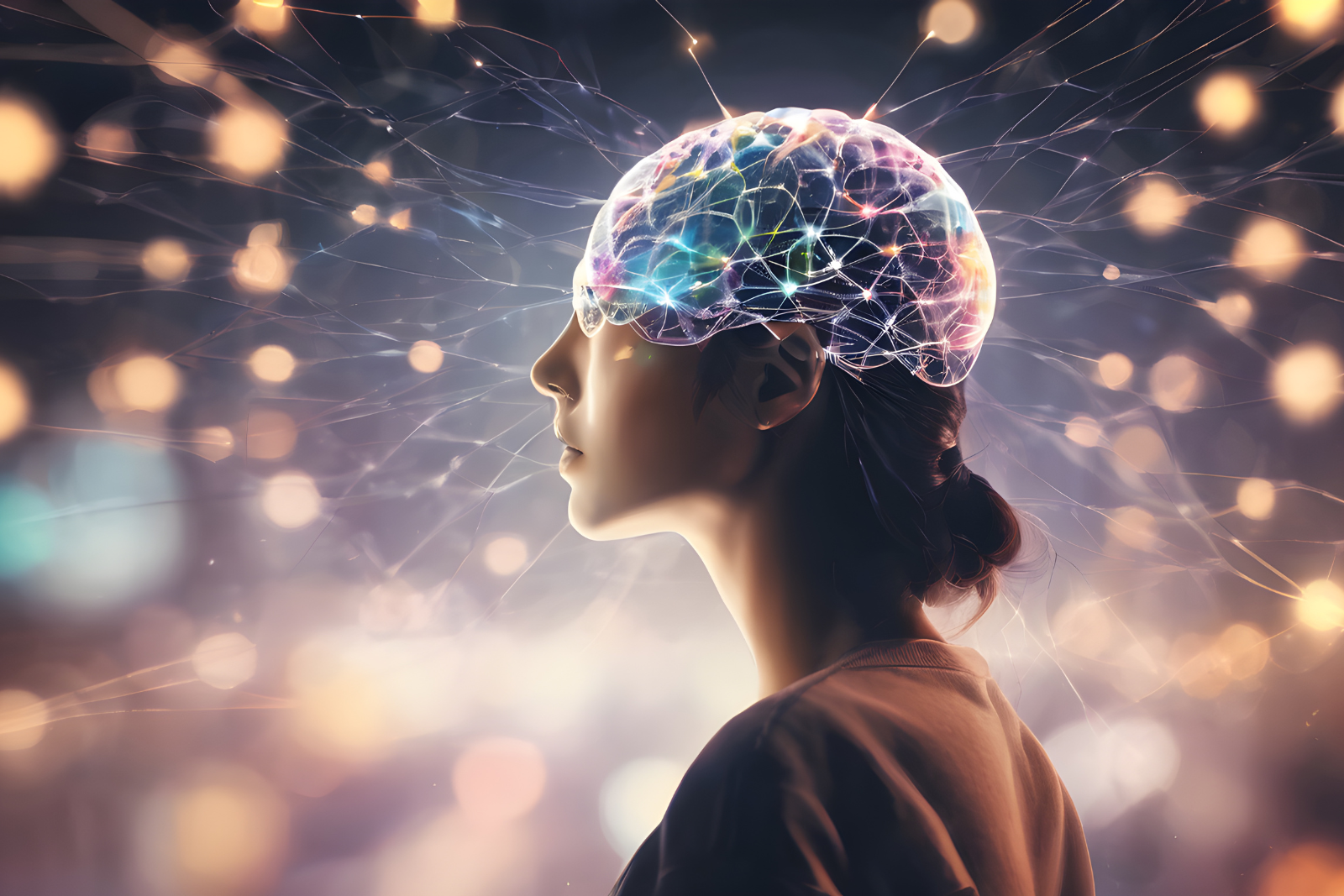
Here’s what the science of Alzheimer’s prevention is telling us about strength training and why it matters starting now.
We talk a lot about building strength so you can keep doing the things you love: hiking with your grandkids, carrying groceries, getting up off the floor without thinking twice. All of that matters enormously. But there’s another conversation happening inside your body every time you train, one that doesn’t get nearly enough attention: your muscles are actively protecting your brain.
This isn’t metaphor. It’s biology.
Neuroscientist and neurophysiologist Louisa Nicola recently laid out the science in striking terms: 60 million people worldwide currently have Alzheimer’s disease. That number is expected to triple by 2050. And here’s what stops us in our tracks: she estimates that 95% of cases could have been prevented, because Alzheimer’s is largely a disease of lifestyle, not genetics.
That puts a lot of power back in your hands. And a significant piece of that power lives in your muscles.
When you contract your muscles, especially under load, your body releases chemical messengers called myokines. Think of them as the language your muscles use to communicate with the rest of your body, including your brain.
One of the most important myokines for brain health is irisin. When released during resistance training, irisin crosses the blood-brain barrier and signals the brain to produce BDNF (brain-derived neurotrophic factor). BDNF is essentially a growth hormone for your brain. It promotes the development of new neurons, particularly in the hippocampus, the brain’s memory center and the first region to be affected by Alzheimer’s disease.
In other words: lifting weights doesn’t just build muscle. It literally grows your brain.
Another myokine, Interleukin-6, acts as a powerful anti-inflammatory agent when released through exercise (unlike when it’s triggered by infection or chronic stress). Inflammation is a known driver of cognitive decline, and exercise is one of the most effective tools we have to keep it in check.
Pharmaceuticals are spending billions trying to replicate these myokines in a bottle. They can’t. But you can produce them yourself, simply by moving.
Here’s the finding that might surprise you most: of all the muscles in the body, your legs may be your most important asset for brain health.
Nicola points to a study on identical twins, same genetic profile, tracked over 10 years. The twin with greater leg strength and leg power had a larger brain, more gray matter volume, and better scores on cognitive tests.
Same DNA. Different outcomes. The difference was in how they moved.
Your legs contain the largest muscle groups in your body. When you train them with intention, through squats, deadlifts, step-ups, and lunges, you’re generating the biggest myokine release, the strongest cardiovascular response, and the greatest neural demand. The brain dedicates significant “real estate” to controlling large, complex, load-bearing movements. Every time you challenge those muscles, you’re also demanding more from your brain.
Nicola describes a concept called cognitive reserve, which is your brain’s capacity to withstand stress, insult, and the effects of aging without losing function.
Think of it like a savings account. The more deposits you make over time, through exercise, learning, challenge, and social engagement, the more you have to draw from when life gets hard. Someone with high cognitive reserve might have significant Alzheimer’s pathology in their brain but still function well, because they have enough reserve to compensate.
Exercise is one of the most potent deposits you can make. It grows the hippocampus, strengthens neural connections, improves processing speed, and keeps the brain’s blood supply robust and healthy. It also grows a small but critically important brain region called the anterior mid-cingulate cortex, the area associated with willpower, resilience, and the drive to keep going when things get difficult. This region actually atrophies in people who live sedentary lives or consistently avoid challenge.
Growth only occurs during resistance. That’s not just fitness philosophy, it’s neuroscience.
Here’s something important: the Alzheimer’s disease process typically begins in your 30s, but symptoms don’t appear until your 60s, 70s, or beyond. That 20-30 year gap is your window of opportunity.
Research on heart remodeling from Dr. Ben Levine showed that consistent exercise, just four hours a week, reversed age-related changes in the heart by 20 years. But there was a catch: the window for this kind of transformation closes around age 65. After that, the heart becomes too stiff to remodel in the same way.
The brain follows a similar logic. Midlife is the window. The habits you build now, the consistency, the challenge, the progressive load, are the deposits that will determine your cognitive health decades from now.
This is exactly why the Gymnazo community isn’t just working out. They’re investing.
You don’t need to become an elite athlete. But the research is clear that to get the full neurological benefits of resistance training you need a focused approach. Lifting close to your capacity, not just going through the motions, is what triggers the myokine release and neural adaptations that protect the brain.
A few principles drawn directly from the science:
Lift with intention. Heavy, compound movements like squats, deadlifts, and loaded carries that challenge your legs and your whole body generate the greatest response. This is why every Gymnazo program includes multidimensional, loaded movement, not just for your joints, but for your brain.
Don’t just exercise; move throughout your day. Research shows that sitting for more than 10 hours daily increases cardiovascular risk even if you’re hitting your weekly exercise goals. Getting up and doing 10 air squats every hour can compensate for prolonged sitting. Short breaks, frequent movement, it adds up.
Add some cardio. Getting your heart rate up to 90-95% of max for short intervals, is one of the most powerful tools for VO2 max, heart health, and brain blood flow.
Take your sleep seriously. Just one night of sleep deprivation raises amyloid beta, a hallmark of Alzheimer’s pathology, by 4-5%. Sleep is when your brain literally cleans itself through the glymphatic system. Consistent, quality sleep is non-negotiable for brain health.
Alzheimer’s disease robs people of who they are. Not just memories, but identity: the ability to recognize their own face in the mirror, to know the people they love.
Nicola says it plainly: once you receive an Alzheimer’s diagnosis, there is no cure, no reversal. But the 20-30 years before that? Those years are full of possibility. Full of choices that compound, for better or worse.
What you do in this season of your life matters more than most of us realize. Every time you show up and challenge your body with intention, you’re not just building muscle, you’re building a brain that can carry you through everything that’s coming.
That’s what functional movement is really for.
At Gymnazo, we train the whole system: movement, strength, coordination, and the neural connections that tie it all together. Whether you’re 45 or 75, the science says it’s not too late to start making deposits. Come move with us.
Share it: